
|

An Old Favorite: Contender Bush Bean

Like many gardeners, I love to look at seed catalogs, and the new and colorful varieties usually catch my eye. But there’s one favorite that I keep on using: the Contender Bush Bean.

Developed in 1949 at the U.S. Vegetable Laboratory, the Contender bush bean had also been called the “Bluff Valentine.” The result was a stringless and tender bush bean that offered high yields, early production (55 days) and good disease resistance.
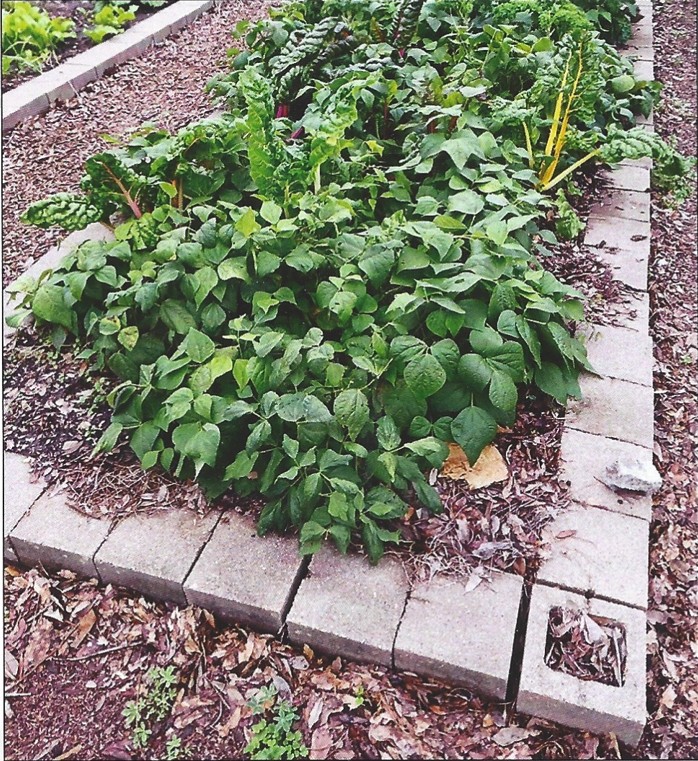
It is widely available wherever garden seeds are sold, but I always get mine by the scoop from old-fashioned seed bins from Southwest Fertilizer. I don’t remember exactly, but a scoop is under a dollar, and I have planted around 35 sq ft with under two scoops of seeds.

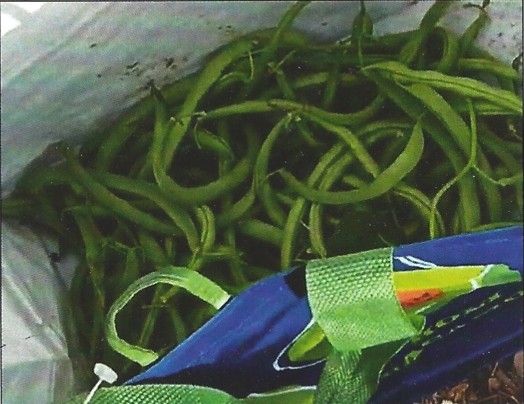
The drawback is bending over to harvest, although it’s worth it. If picked every other day, they will produce bountifully until the July heat gets them or until a frost, if you have a fall crop. They are truly stringless, and so tender that I often munch on a few while I’m picking.
I’ll be planting a crop of Contenders in a raised bed that doesn’t require bending.

Once harvested, to prepare them I usually just put them in a pan or skillet (or even a microwavable dish), add garlic, a splash of broth, and heat till they get al dente. Often, I pair a handful of cut green beans with whatever else I have harvested that day. Of course, I also love them raw in salads.

Enjoy!

Similar Posts

  • | | | |

    Workday in the North 40 Orchard 2/26/22

    The Teach For America Volunteer Group joined our WCG members in preparing the orchard beds for planting replacement fruit trees at the March, 2022, workday. The remaining roots of the frozen trees from 2/15/2021 Winter Storm Uri were removed, weeds were removed, most of the bed’s diameters were extended, a grass barrier was installed and…

  • | |

    Mulberries!

    Our mulberry tree in the North 40 is loaded with berries right now. If you have a few minutes, take a small container to the garden and try some. Mulberries are the sweet, hanging fruit from a genus of deciduous trees that grow in a variety of temperate areas around the world. Thought to possibly…

  • |

    Radishes

    Ever wonder what to do with those huge radishes that seem to want to grow above the ground? Did you know you can cook them? I’ve tried steaming them and serving with salt, pepper, and butter–yummy! Sort of like a mild turnip. And they can be sliced thinly and sauteed with other fresh veggies for…

  • | |

    Black Rot Disease in Brassicas

    What is it? Black rot is a bacterial infection that affects the vascular system of members of the Brassica (broccoli) family. It is caused by the bacterium Xanthomonas campestris pv. campestris. Which plants are affected? All cruciferous crops are susceptible including arugula, bok choy, broccoli, Brussels sprouts, cabbage (including Chinese cabbage), cauliflower, collards, garden cress, kale, kohlrabi, mustard (including mizuna), radish, rutabaga, and turnip. NOT AFFECTED seems to be nasturtium (it must be far enough away on the family tree). Where did it come from? We don’t know the origin of our current outbreak. The bacterium infects all parts of host plants, including seeds, so it could have come in on a seed or on a commercial transplant. There are also some Brassica family weeds that can harbor it in the wild. Why is it such a problem now? We have had the perfect warm, humid weather for it to spread and multiply these past few months – temperature has been between 50-75,  it has been breezy and wet. It wasn’t until Wayne saw the same pattern on several of his plants that he brought it to Ray’s attention. We’ve probably been living with it for months without realizing it, which allowed it to spread widely. How is it spread?…