| | |

Leaf-Footed Stink Bugs

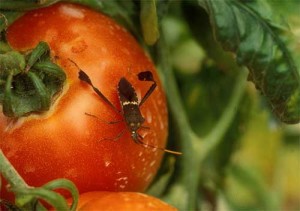
Leaf footed bug on tomato.
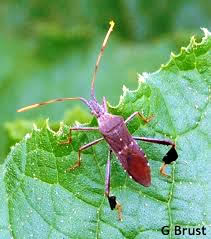
Leaf Footed Stink Bug on tomato.
Leaf Footed Stink Bug
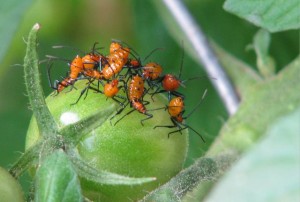
Stink Bug Nymphs
Stink Bug Nymphs
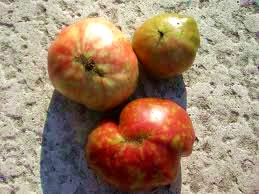
Tomatoes damaged by Stink bugs
Tomatoes damaged by Stink Bugs

If you still have tomatoes on your vines, they are likely being stung by the leaf footed stink bug, which makes them feel hard, have yellow tint, and taste terrible.

I’m taking out my tomato plants today.

Similar Posts

  • |

    Tomato Preferences

    Since we have a lot of new gardeners, I thought it would be helpful to recirculate this information I sent last spring to those of you that are having trouble deciding what tomatoes to plant. Heirloom vs. Hybrid There are two types of tomatoes available at nurseries. Most agree that the heirloom varieties taste better…

  • | |

    Black Rot Disease in Brassicas

    What is it? Black rot is a bacterial infection that affects the vascular system of members of the Brassica (broccoli) family. It is caused by the bacterium Xanthomonas campestris pv. campestris. Which plants are affected? All cruciferous crops are susceptible including arugula, bok choy, broccoli, Brussels sprouts, cabbage (including Chinese cabbage), cauliflower, collards, garden cress, kale, kohlrabi, mustard (including mizuna), radish, rutabaga, and turnip. NOT AFFECTED seems to be nasturtium (it must be far enough away on the family tree). Where did it come from? We don’t know the origin of our current outbreak. The bacterium infects all parts of host plants, including seeds, so it could have come in on a seed or on a commercial transplant. There are also some Brassica family weeds that can harbor it in the wild. Why is it such a problem now? We have had the perfect warm, humid weather for it to spread and multiply these past few months – temperature has been between 50-75,  it has been breezy and wet. It wasn’t until Wayne saw the same pattern on several of his plants that he brought it to Ray’s attention. We’ve probably been living with it for months without realizing it, which allowed it to spread widely. How is it spread?…