
| |

Fall Tomatoes in Houston

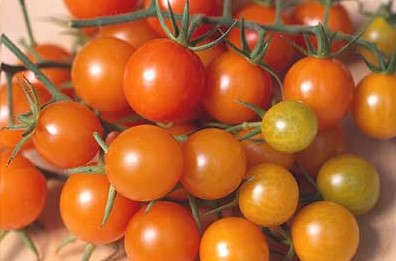
Spring planted tomatoes are more productive than fall planted tomatoes, but in most years, and with a good amount of care, a nice amount of cherry tomatoes can be harvested in the fall.
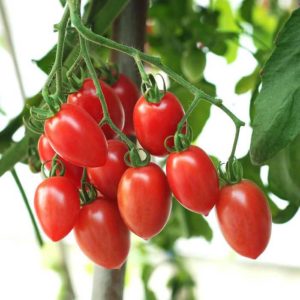
Planting time: Mid July to end of August. WAIT until temperatures have cooled. It will be very difficult to start and keep the plant alive in 100-degree temperatures.

Purchase cherry tomato plants in mid to late August. Dig a hole and mix a handful of organic fertilizer in the soil. Plant the plant and water.

It will be necessary to water at least twice a day until the plant has rooted and temperatures cool down.

It will be helpful and necessary to create shade for the plant. This can be done by covering with shade cloth, cardboard or a wooden board, supported by stakes only tall enough to cover the plant without touching the plant.

Similar Posts

  • | |

    Tomato Tasting Sponsors and Donors

    WCG was extremely fortunate to receive a sponsorship donation from Southwest Fertilizer, our favorite independent neighborhood garden center, located at 5828 Bissonnet. Southwest Fertilizer’s support covered the supplies and printing associated with the Tomato Tasting Festival – a huge boon to the garden. Southwest also donated two items to the Fishbowl Raffle fundraiser for the…

  • | |

    Black Rot Disease in Brassicas

    What is it? Black rot is a bacterial infection that affects the vascular system of members of the Brassica (broccoli) family. It is caused by the bacterium Xanthomonas campestris pv. campestris. Which plants are affected? All cruciferous crops are susceptible including arugula, bok choy, broccoli, Brussels sprouts, cabbage (including Chinese cabbage), cauliflower, collards, garden cress, kale, kohlrabi, mustard (including mizuna), radish, rutabaga, and turnip. NOT AFFECTED seems to be nasturtium (it must be far enough away on the family tree). Where did it come from? We don’t know the origin of our current outbreak. The bacterium infects all parts of host plants, including seeds, so it could have come in on a seed or on a commercial transplant. There are also some Brassica family weeds that can harbor it in the wild. Why is it such a problem now? We have had the perfect warm, humid weather for it to spread and multiply these past few months – temperature has been between 50-75,  it has been breezy and wet. It wasn’t until Wayne saw the same pattern on several of his plants that he brought it to Ray’s attention. We’ve probably been living with it for months without realizing it, which allowed it to spread widely. How is it spread?…

  • |

    Radishes

    Ever wonder what to do with those huge radishes that seem to want to grow above the ground? Did you know you can cook them? I’ve tried steaming them and serving with salt, pepper, and butter–yummy! Sort of like a mild turnip. And they can be sliced thinly and sauteed with other fresh veggies for…