|

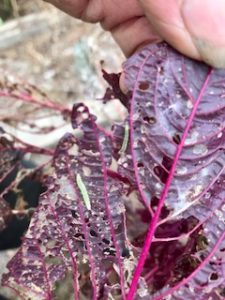
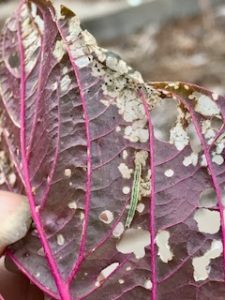
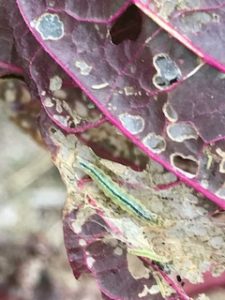
Watch For Hawaiian Beet Webworm

Retired Texas A&M professor and advisor to Plant-It-Forward-Farms, Joe Novak, alerted us to an infestation of garden plantings of the Hawaiian Beet Webworm moth larvae. This pest  has also sadly begun attacking the new beet seedlings in adjacent plots. The Hawaiian Beet Webworm will attack Beets, Chard and Spinach plants. It devastated PIFF crops last year.

Joe suggests that plants in the beet/chard/spinach family be monitored closely. Remove any affected plants to the trash, or desirable vegetables must be treated quickly with BT (Bacillus Thuringiensis) to kill the webworms. They are hard to kill once they’re enclosed in their webs.

Contact Wayne for BT treatment if you have evidence of this pest in your bed.
Similar Posts

  • | |

    Tomato Tasting Sponsors and Donors

    WCG was extremely fortunate to receive a sponsorship donation from Southwest Fertilizer, our favorite independent neighborhood garden center, located at 5828 Bissonnet. Southwest Fertilizer’s support covered the supplies and printing associated with the Tomato Tasting Festival – a huge boon to the garden. Southwest also donated two items to the Fishbowl Raffle fundraiser for the…

  • | |

    Black Rot Disease in Brassicas

    What is it? Black rot is a bacterial infection that affects the vascular system of members of the Brassica (broccoli) family. It is caused by the bacterium Xanthomonas campestris pv. campestris. Which plants are affected? All cruciferous crops are susceptible including arugula, bok choy, broccoli, Brussels sprouts, cabbage (including Chinese cabbage), cauliflower, collards, garden cress, kale, kohlrabi, mustard (including mizuna), radish, rutabaga, and turnip. NOT AFFECTED seems to be nasturtium (it must be far enough away on the family tree). Where did it come from? We don’t know the origin of our current outbreak. The bacterium infects all parts of host plants, including seeds, so it could have come in on a seed or on a commercial transplant. There are also some Brassica family weeds that can harbor it in the wild. Why is it such a problem now? We have had the perfect warm, humid weather for it to spread and multiply these past few months – temperature has been between 50-75,  it has been breezy and wet. It wasn’t until Wayne saw the same pattern on several of his plants that he brought it to Ray’s attention. We’ve probably been living with it for months without realizing it, which allowed it to spread widely. How is it spread?…

  • Harvest Your Winter Crops!

    Some timely advice from our experienced gardeners — Don’t let your winter crops bolt! Seriously! Harvest your crops while it’s cool and the plants are in good condition. Vegetables planted in September and October are ready to harvest now. If you neglect to harvest at the peak time, you may notice Animals start to gnaw…