
|

Summer Vegetable Gardening
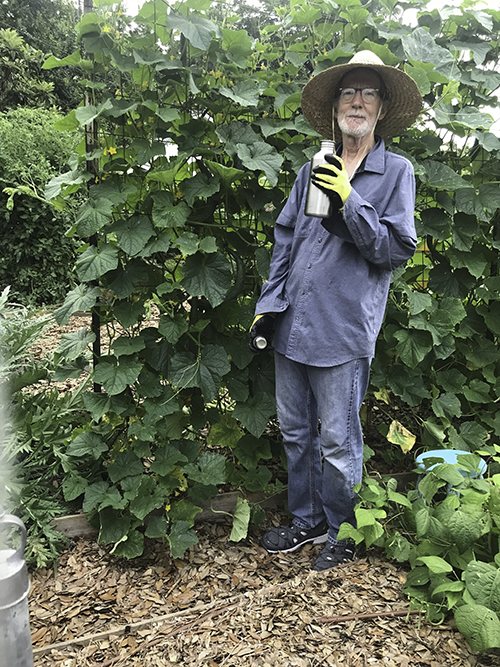
One of my first lessons as a gardener came 33 years ago when I spent the summer building a large vegetable garden in my backyard. I was off for the summer from my teaching job and my goal was to build 6 large garden beds and plant them while off for the summer.  I tried working outside for about 4-6 hours each day and I had heat stroke.  From that experience I have developed healthy boundaries for working in the garden.

  1. I do all my work as early as possible in the day and never stay out for more than a few hours. The alternative is late afternoon as the sun is going down.
  2.  I drink plenty of water before going out and while outside; an electrolyte drink is helpful.
  3. I always wear a large, rimmed hat, and protect my skin by wearing a light long sleeve shirt and long pants. Many summer vegetables can irritate the skin and cause a rash.  These include tomatoes, eggplant, okra, squash, bush beans and figs.
  4. I pay attention to how I am feeling and stop when I need to rest.

As for gardening in the heat, there are things you can do to make it easier.

  1. Clean out the garden’s weeds in the early spring, about March when most of the vegetables should be planted. It’s much better than having to remove the weeds when it is really hot.
  2. As seedling’s grow, keep adding mulch, but be careful to not smother the new seedlings. By the time the plants are fully mature you can have about 4-6 inches of mulch. This will not only block out the weeds but keep the soil moist and cool.
  3. As your winter garden dies, pull out the unhealthy plants before the heat of late spring and early summer. This will make room for the new seedlings and plants. Your unhealthy vegetables will spread disease to your healthy plants, and you are also providing an environment that attracts Stink Bugs and White Fly. These are the most common summer pest, but there are more.                                                                                     
  4. In late February and March, I planted many vegetables such as peppers, tomatoes, summer squash, winter squash, bush beans, okra, roselle, long beans and eggplant.
  5. Here is a list from the Urban Harvest website of vegetables that can be planted in the garden during the summer months.

Summer gardening can be fun, but you want to stay as comfortable as possible while doing it and make it easy as possible.

Similar Posts

  • | |

    Black Rot Disease in Brassicas

    What is it? Black rot is a bacterial infection that affects the vascular system of members of the Brassica (broccoli) family. It is caused by the bacterium Xanthomonas campestris pv. campestris. Which plants are affected? All cruciferous crops are susceptible including arugula, bok choy, broccoli, Brussels sprouts, cabbage (including Chinese cabbage), cauliflower, collards, garden cress, kale, kohlrabi, mustard (including mizuna), radish, rutabaga, and turnip. NOT AFFECTED seems to be nasturtium (it must be far enough away on the family tree). Where did it come from? We don’t know the origin of our current outbreak. The bacterium infects all parts of host plants, including seeds, so it could have come in on a seed or on a commercial transplant. There are also some Brassica family weeds that can harbor it in the wild. Why is it such a problem now? We have had the perfect warm, humid weather for it to spread and multiply these past few months – temperature has been between 50-75,  it has been breezy and wet. It wasn’t until Wayne saw the same pattern on several of his plants that he brought it to Ray’s attention. We’ve probably been living with it for months without realizing it, which allowed it to spread widely. How is it spread?…

  • The Most Neglected Season

    When we all signed our gardeners agreement, we agreed to plant in each of three seasons with the option of having a fallow season (with WCG approval). Are you prepared for the summer season?  It is here! Preparing For the Hot Summer Season Remove all plants that are not producing, including diseased and sick or dead plants. When…

  • | |

    Tomato Tasting Sponsors and Donors

    WCG was extremely fortunate to receive a sponsorship donation from Southwest Fertilizer, our favorite independent neighborhood garden center, located at 5828 Bissonnet. Southwest Fertilizer’s support covered the supplies and printing associated with the Tomato Tasting Festival – a huge boon to the garden. Southwest also donated two items to the Fishbowl Raffle fundraiser for the…

  • |

    Sweet Potatoes

    I cannot think of a more rewarding vegetable. The tubers (roots) and leaves can be prepared in a variety of ways for delicious and nutritious side dishes and who can resist a sweet potato pie. However, the culinary value is just one of the rewards for growing them in your garden. Sweet potatoes are easy to grow…