
Transition from the Spring to the Summer Garden
Garden beds need to be mulched with leaves, alfalfa hay or pine needles by mid-March, or as quickly after that to keep weeds down and more importantly to retain moisture in the soil after watering.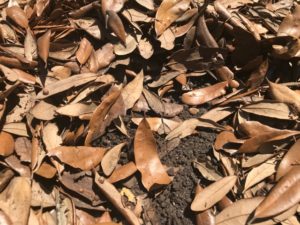
In early June, there are usually a few fall/winter crops that are hanging on for dear life, fighting disease and pests. These are usually kales, collards and Swiss chard. Spring crops of green beans, tomatoes and summer squash are also nearly finished, producing less and filled with disease.
BUT, they are still producing a little. What to do?
Move on! Take out the spent plants in favor of plants that like summer heat. Throw spent tomato and squash plants in the dumpster, not the compost.
Plant:
Southern peas. Zipper Cream peas grow on trellis or the ground. Very easy to remove peas from pods, thus the name ‘Zipper’. Harvest when pods turn yellow. The peas can be cooked to eat fresh or frozen for later use. If you wait for the pods to dry on the vine, you will have dried beans. It will produce most of the summer. This plant will fix nitrogen into the soil and improve the health of the soil. 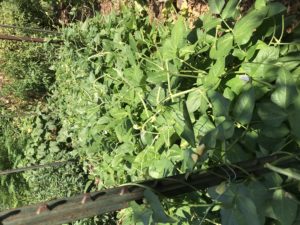
Okra. Three plants are enough for a family of four. Give lots of space (3 to 4 square feet per plant. Harvest when pods are 3” to 4” long. Pods on some varieties are tender when longer. It will produce all summer.
Roselle. or Jamaican sorrel. It forms a bush that is 4 to 5 feet tall and the same width. Harvest leaves and eat fresh in salads or cook in stirfry. Excellent lemony flavor. It will produce all summer. 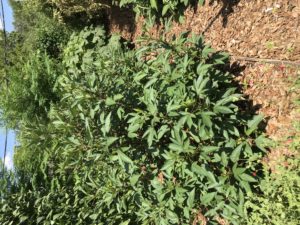
Long beans. Grow on 6’ trellis. Harvest beans when 18” long for best texture. Cut up in fresh salads or stir fry or cook in any way you would green beans. They will produce all summer. This plant will fix nitrogen into the soil and improve the healthy of the soil. 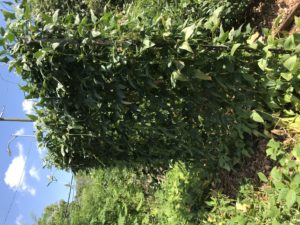
Edamame. Plant on 4” squares. When pods start to change color, it is time to harvest. Pods can be par boiled and frozen for later use. Pods can be shelled and peas par boiled for later use or eaten right then. This plant will fix nitrogen into the soil and improve the healthy of the soil.
Sweet potatoes. This is a great crop to grow if you plan to take a break from gardening during the summer. The plants will keep weeds down and produce a good crop when you come back to gardening in September. Move soil from sides of the bed to the center to form a mound. This will allow lots of depth for the potatoes to grow. Plant sweet potato slips two across down the center of the garden bed, every 9 inches. Water and mulch heavily. Continue to water until the plant roots take hold. Come by to water occasionally, move vines from aisles to bed, and remove weeds from aisles.
If you plan to not grow anything during the summer, mulch the bed with 4 to 6 inches of leaves, pine needles or alfalfa hay. Remember to come to the garden once a week to remove weeds.