Recovering From The Freeze

It is possible to recover many vegetables after this freeze.  Do not be too hasty in pulling out plants because they do not look healthy.

Begin by removing the completely dead portion of a plant, especially those that look mushy.  Do not pull out the roots! Sometimes parts of the plant in the soil can recover given some time.  During the last freeze 2 years ago, many of my Swiss Chard looked like mush, but after cleaning off the dead portions of the plant we were able to find a root system that was still alive. Be patient, it takes some time to recover.

Some of your plants may have many leaves that look damaged. Remove the leaves that look the worst and allow some leaves to remain as the plant begins to replace the damaged foliage with fresh leaves.

You may find that all of the plants may not recover, but there is still time to replant some of them, like bok choy and radishes that get ready quickly.

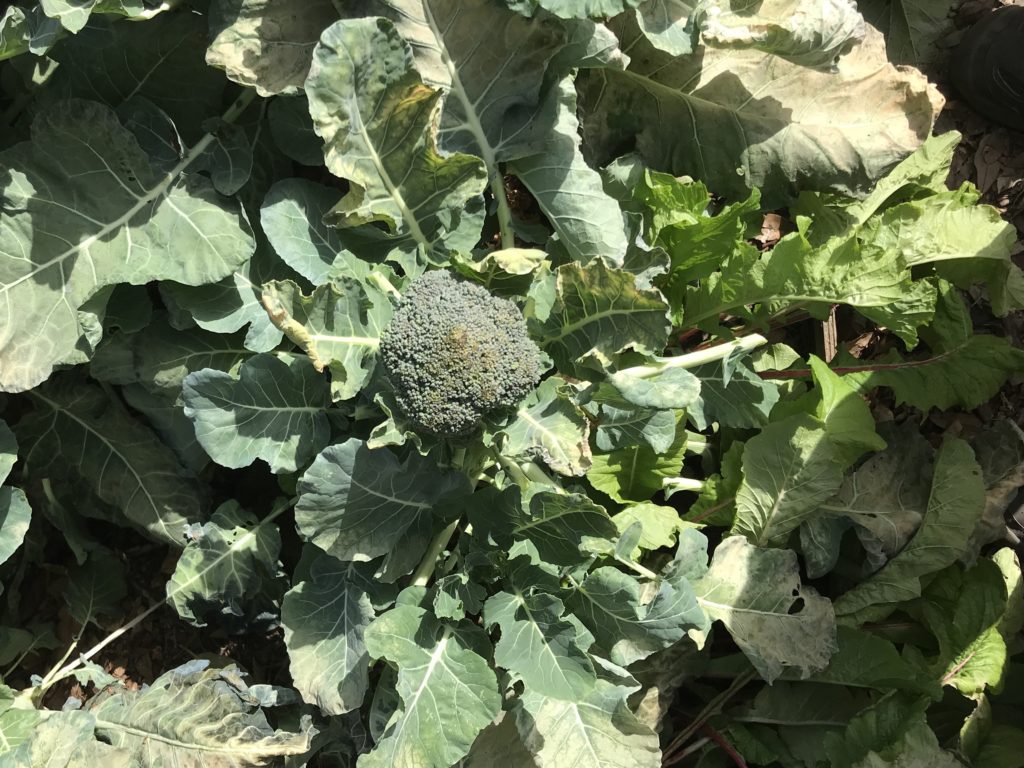
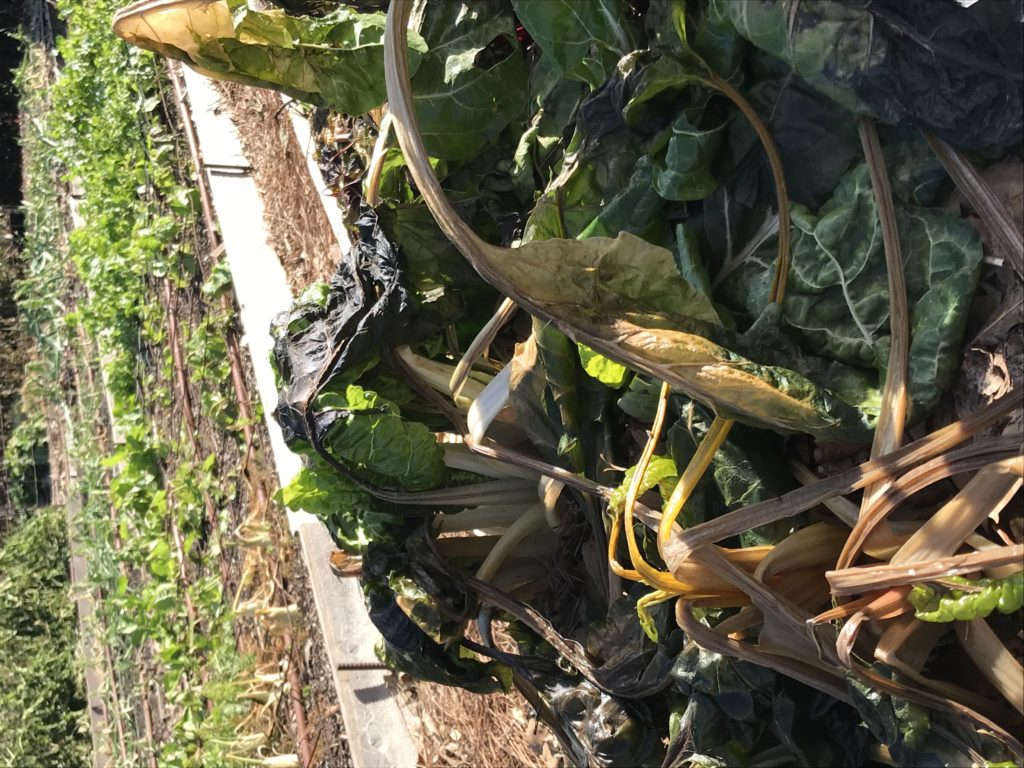
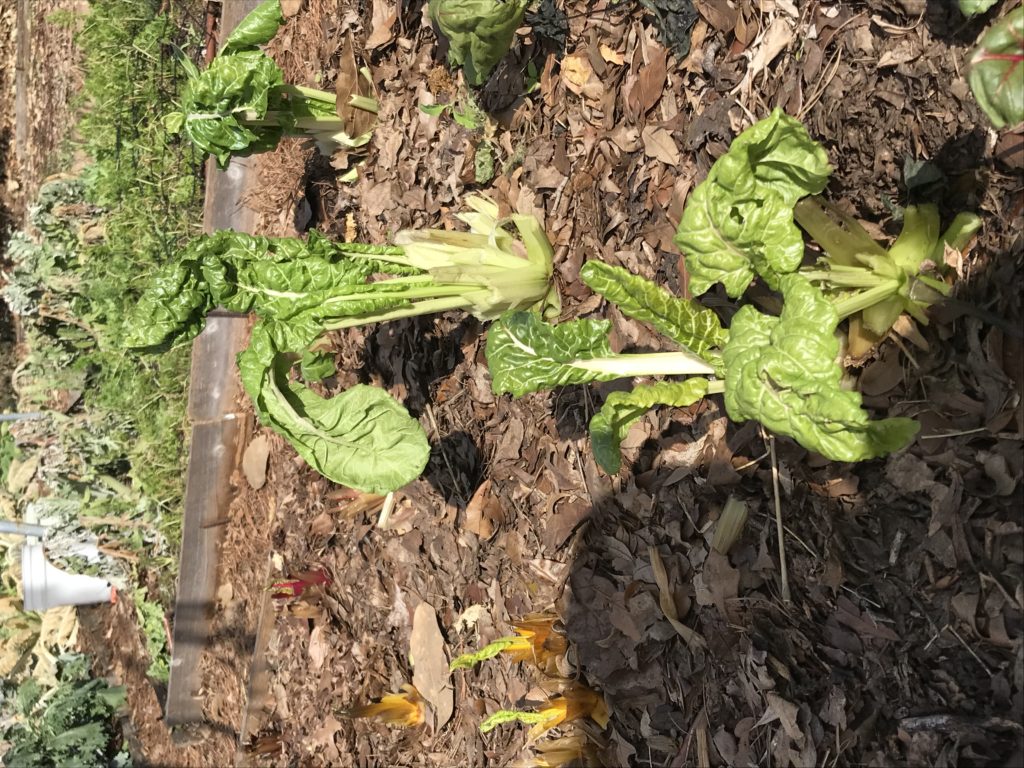
Before and after photos are shown here from cleaning out the garden.
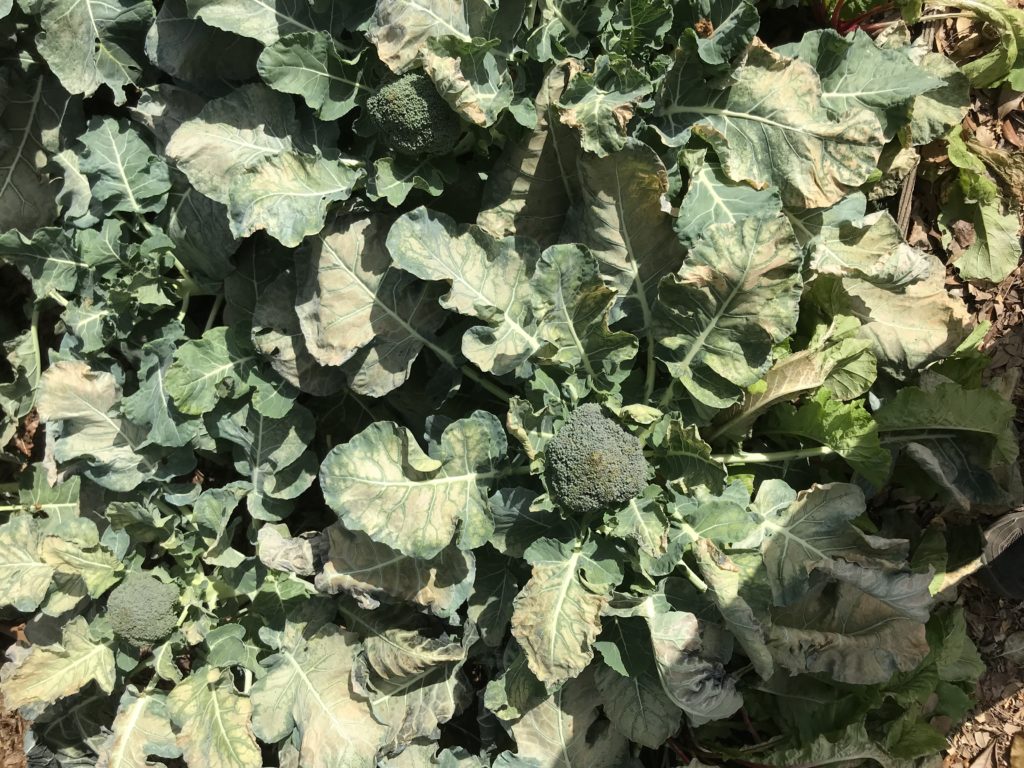
Freeze-damaged broccoli.
Broccoli after pruning.
Freeze-damaged Swiss chard.
Viable chard after clean up.

Similar Posts

  • | | | |

    Workday in the North 40 Orchard 2/26/22

    The Teach For America Volunteer Group joined our WCG members in preparing the orchard beds for planting replacement fruit trees at the March, 2022, workday. The remaining roots of the frozen trees from 2/15/2021 Winter Storm Uri were removed, weeds were removed, most of the bed’s diameters were extended, a grass barrier was installed and…

  • | |

    Harlequin Bugs

    The first week of May, 2014, many gardeners reported seeing this bug on broccoli that had bolted and other plants in the brassica family. This pest is Murgantia histrionica, also known as the Harlequin Bug or Cabbage Bug. Harlequin bugs come because there are plants that are past their prime. They especially like all the brassica…

  • |

    Watch For Hawaiian Beet Webworm

    Retired Texas A&M professor and advisor to Plant-It-Forward-Farms, Joe Novak, alerted us to an infestation of garden plantings of the Hawaiian Beet Webworm moth larvae. This pest  has also sadly begun attacking the new beet seedlings in adjacent plots. The Hawaiian Beet Webworm will attack Beets, Chard and Spinach plants. It devastated PIFF crops last year. Joe suggests that plants in the…

  • Cucumber Beetles

    This garden pest, the Spotted Cucumber Beetle, has been seen at Westbury Community Garden beginning in May. We also may see the smaller Striped Cucumber Beetle and Green Banded Cucumber Beetle. All three of these have small black heads. They are evasive and hard to catch/kill, as they fly off quickly. Their eggs are yellow, oval and…

  • |

    Figs!

    It’s July and fig trees are bearing lots of delicious figs. The yellow figs are Banana fig, and are ripe when they slightly change color to a deeper yellow, and when you touch the fig and it is tender, it is ready to pick. If you don’t pick it right away, it will ferment and be…