
Summer Vegetable Gardening
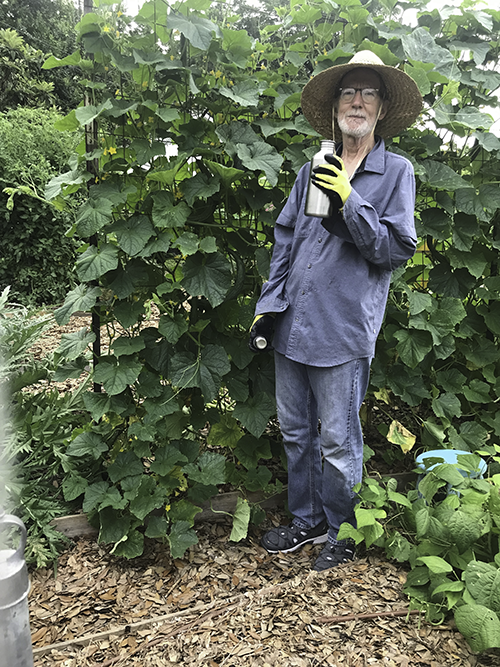
One of my first lessons as a gardener came 33 years ago when I spent the summer building a large vegetable garden in my backyard. I was off for the summer from my teaching job and my goal was to build 6 large garden beds and plant them while off for the summer. I tried working outside for about 4-6 hours each day and I had heat stroke. From that experience I have developed healthy boundaries for working in the garden.
- I do all my work as early as possible in the day and never stay out for more than a few hours. The alternative is late afternoon as the sun is going down.
- I drink plenty of water before going out and while outside; an electrolyte drink is helpful.
- I always wear a large, rimmed hat, and protect my skin by wearing a light long sleeve shirt and long pants. Many summer vegetables can irritate the skin and cause a rash. These include tomatoes, eggplant, okra, squash, bush beans and figs.
- I pay attention to how I am feeling and stop when I need to rest.
As for gardening in the heat, there are things you can do to make it easier.
- Clean out the garden’s weeds in the early spring, about March when most of the vegetables should be planted. It’s much better than having to remove the weeds when it is really hot.
- As seedling’s grow, keep adding mulch, but be careful to not smother the new seedlings. By the time the plants are fully mature you can have about 4-6 inches of mulch. This will not only block out the weeds but keep the soil moist and cool.
- As your winter garden dies, pull out the unhealthy plants before the heat of late spring and early summer. This will make room for the new seedlings and plants. Your unhealthy vegetables will spread disease to your healthy plants, and you are also providing an environment that attracts Stink Bugs and White Fly. These are the most common summer pest, but there are more.
- In late February and March, I planted many vegetables such as peppers, tomatoes, summer squash, winter squash, bush beans, okra, roselle, long beans and eggplant.
- Here is a list from the Urban Harvest website of vegetables that can be planted in the garden during the summer months.
Summer gardening can be fun, but you want to stay as comfortable as possible while doing it and make it easy as possible.